Introduction
As the term autism has been increasingly disseminated, it became commonly known and heeded in our community. However, there are still people who use colored lenses to look at this group of people. This leads to various stereotypes and misunderstandings of autistic children and their parents. I never knew the truth until I became a volunteer at an art class program for autistic children. Because of my passion for art and my curiosity, I believed this is an opportunity that is hard to come by. I held an intrigued and unassertive mindset when I decided to understand more about this enigmatic spectrum disorder. I wanted to learn not just from books or movies but through their artwork and the relationships built with them. Even though I am an unacquainted outsider but I believed by coming in contact with them, I will be truly enlightened. This would be a brand-new experience that could dissipate all my uncertainties. Therefore, I decided to embark on this experience to listen to the vivid voices deep in their hearts.
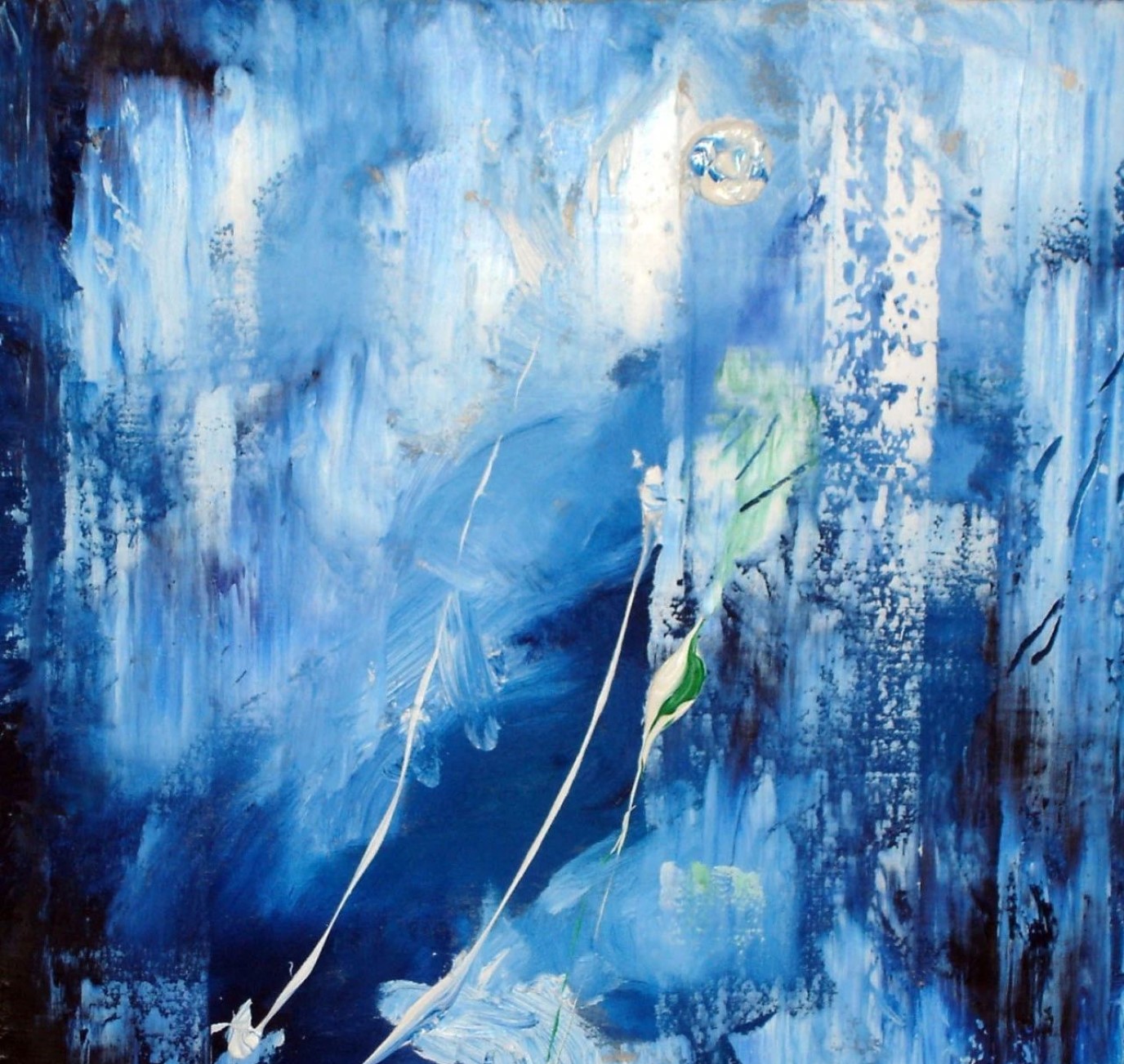
This was the first class I participated in this program. The other two volunteers were also girls around my age. As I wondered and scanned the art classroom, I saw the miniature wooden stools and tables aligned efficiently together. There was a riot of colors that mottle everywhere, it made the classroom seem like an exuberant flower-blooming meadow. The over variegated spats of paint had a tint of brashness. We silently sat down along the table joint together by the small tables. Meanwhile, the teacher responsible for the art class program came and sat down with us. There was a one-hour training for volunteers about how to teach and get along with the students.
She spoke in a soothing way to us, “Have you guys ever met or understood children with Autism?”
I shook my head and glanced around at the others. Most of the volunteers had the same response.
“What word or phrase pops up in your mind if you think of Autistic people?” She persisted.
“Introverted”
“Taciturn”
“Inner world”
“Special talents”
“logical”
After she heard our responses, she explained to us that not all people with autism are taciturn and have an introverted personality. Some of them are very cordial and have the urge to communicate with others, but sometimes they just have communication disorders that hamper their expression. While some are more closed and reserved for others they are not familiar to. Moreover, people with autism are acknowledged to have a special talent in science, math, art, etc. However, not all autistic children are a prodigy in a specific aspect, and they simply suffer from a developmental disorder. This caused them to learn slower than others. Their thinking is not like a prodigy, in fact, their thinking is rather more undeveloped and childish for their age. They have a mature appearance but as you look beyond their outside, you can see a pure and unsophisticated child’s heart.
Common Misconceptions:
From her introduction and clarifications, I learned about many misconceptions about Autism. For example, many people believed that autism is both “nature and nurture”. Nerveless, autism is an innate developmental disorder that is usually found during young ages. Since many people believe autism is acquired, when they hear that a family has an autistic child, they point their arrows of accusation and criticism toward the parents. They believe emotional and physical abuse from the parents were the cause of it. Consequently, loads of disparaging, stigma, and reproach are pressuring the parents. This causes them not only dealing with the pressure from their child but the pressure from the external world. This makes it more difficult for those parents to have a positive attitude towards their child, and letting their autistic child’s condition to aggravate.
Image in the article is from the internet.

 Joyce's Blog